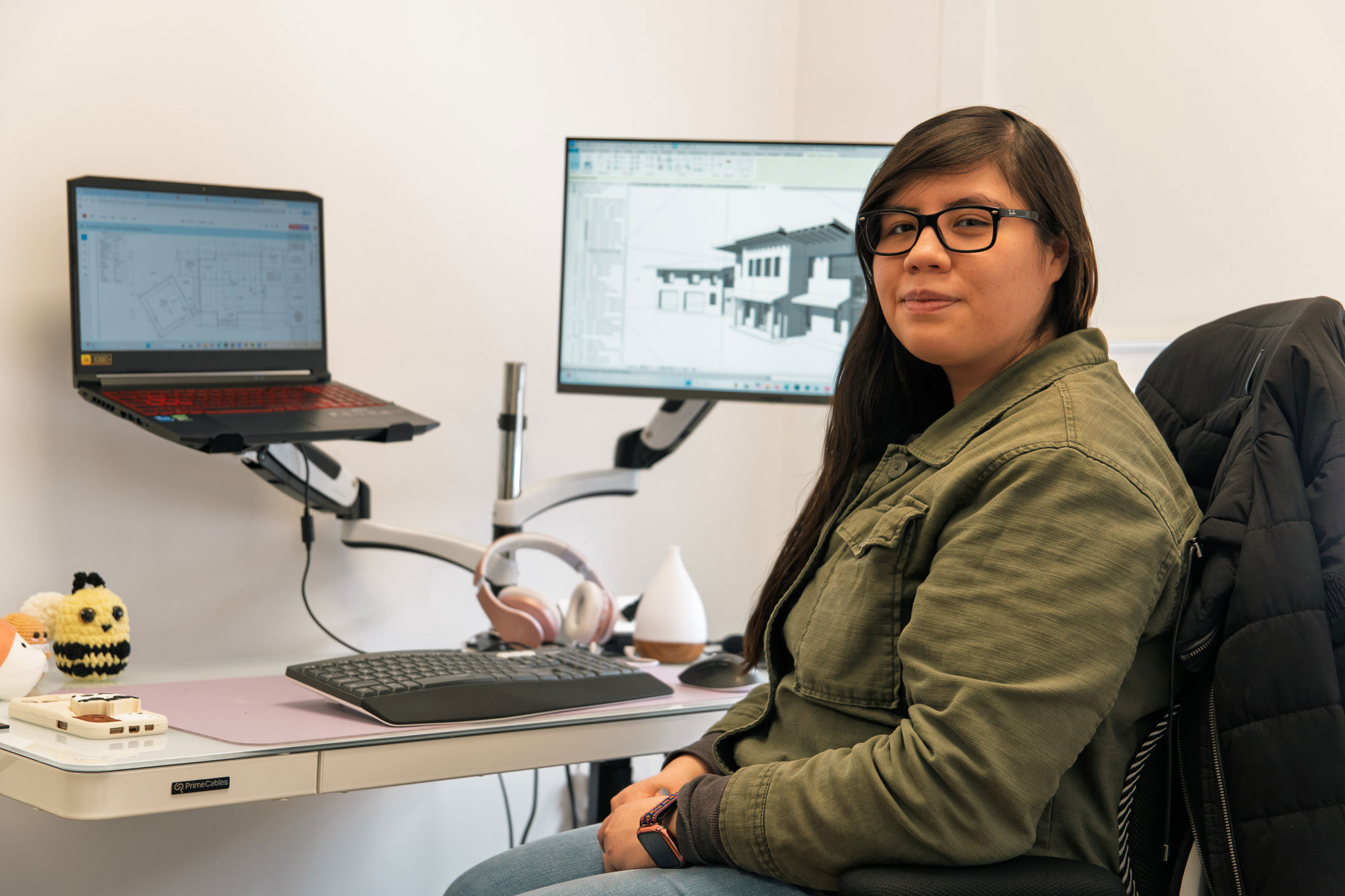
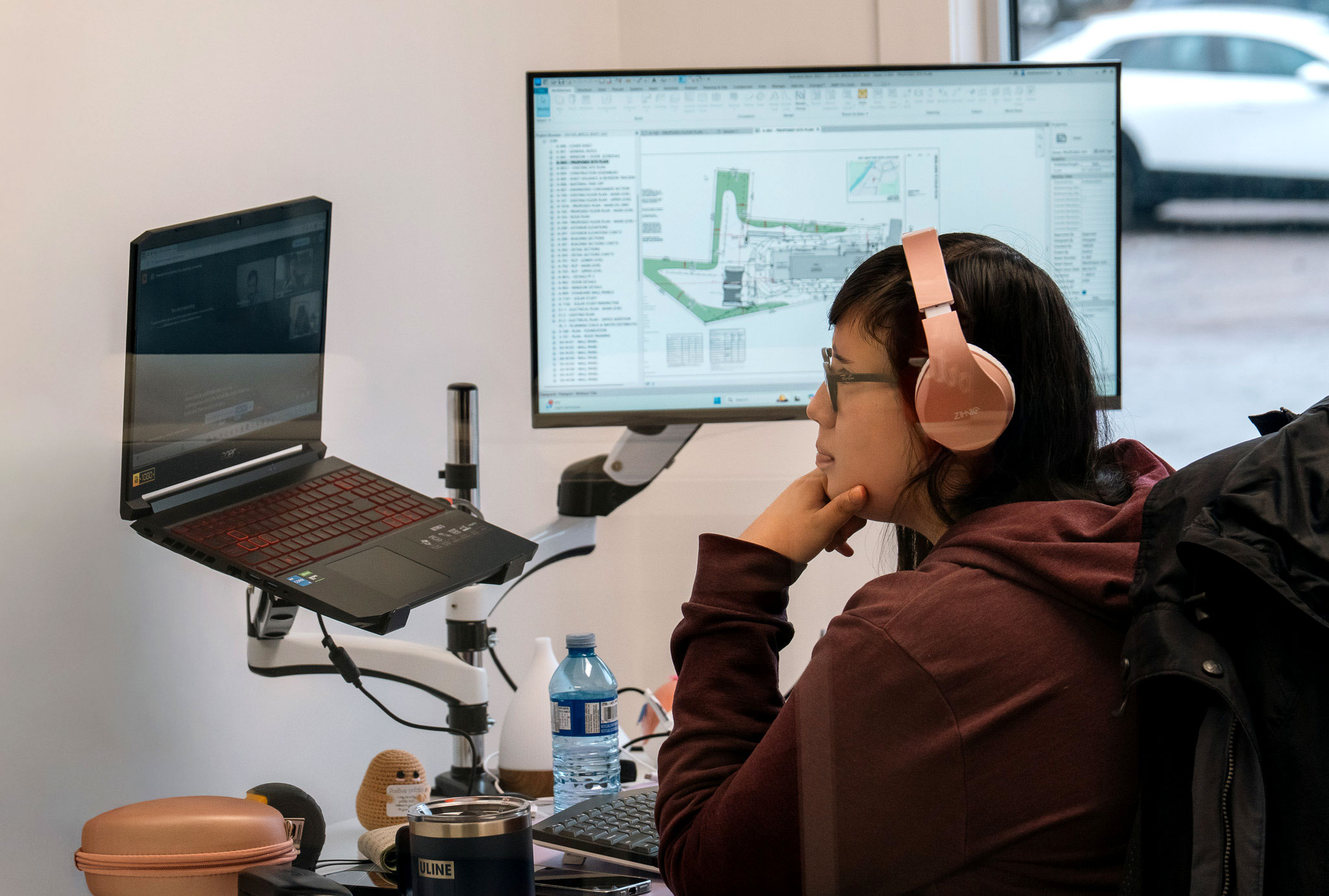



If you had told me a few years ago that I’d be working in panelized Passive House construction in rural Ontario, I probably would’ve laughed. My architectural background was mostly in traditional concrete construction in Mexico—residential, commercial, BIM, Revit, AutoCAD, all of it. I even spent time in health and safety on job sites, which gave me a whole new respect for what trades deal with (and also made me very aware of how risky on-site work can be).

When I came to Canada to study construction management, I knew I wanted something that mixed architecture, technology, and sustainability—not just design for the sake of design. That’s how I eventually ended up at Quantum Passivhaus. And even though prefab was new to me, it made sense almost immediately: more control, more quality, more safety, more performance.

“Panelized Passive House doesn’t limit creativity. It focuses it.”

What I didn’t expect was how much I would change as a designer. Panelized Passive House shifts the way you think about massing, interior layout, coordination, and construction. It doesn’t limit creativity—it just focuses it. So, I wanted to share some of the lessons I’ve learned so far, especially for architects who are curious about this world but haven’t taken the leap yet.

EDD03689
default

Designing Smart First, Not Fancy First

"One of my professors used to say, “You don’t need a smart home—you need a smart design.” And honestly, that applies perfectly to panelized Passive House."
Stephanie Arce Zavaleta

Before I draw anything, I start with the site:

orientation
shadows
wind
access
views
setbacks
surrounding buildings

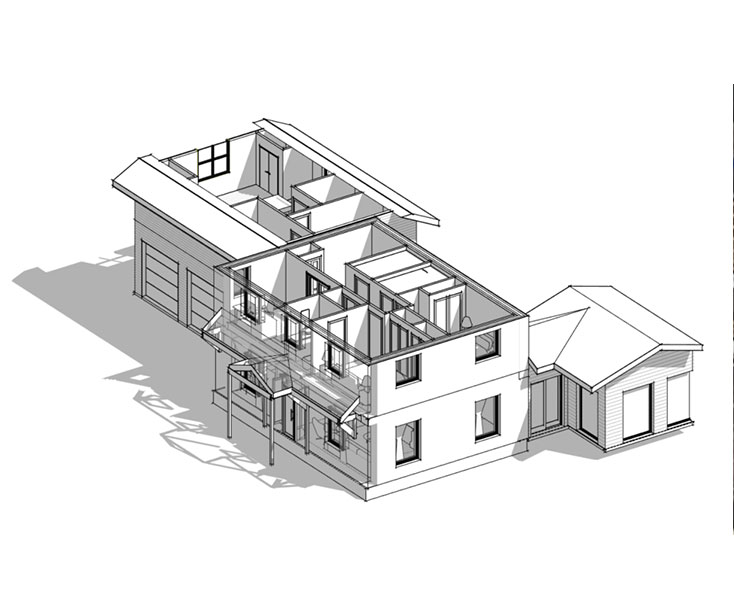
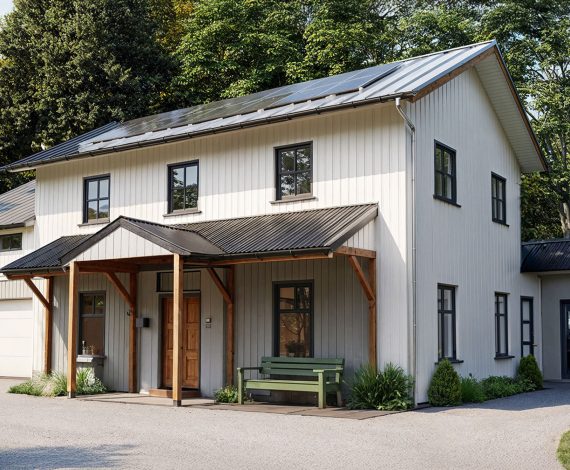
A lot of architects want to jump straight into geometry—curves, sculpted shapes, dramatic angles. But with prefab, simplicity is your friend. Simple massing performs better, is easier to engineer, easier to install, and usually keeps costs under control.

That doesn’t mean the design has to look simple. There’s a huge difference between a simple structure and a simple experience.

It Really Is Like Building With Legos

There’s a misconception that prefab limits your design because you’re “stuck” with panel sizes. That’s not how we do it here.

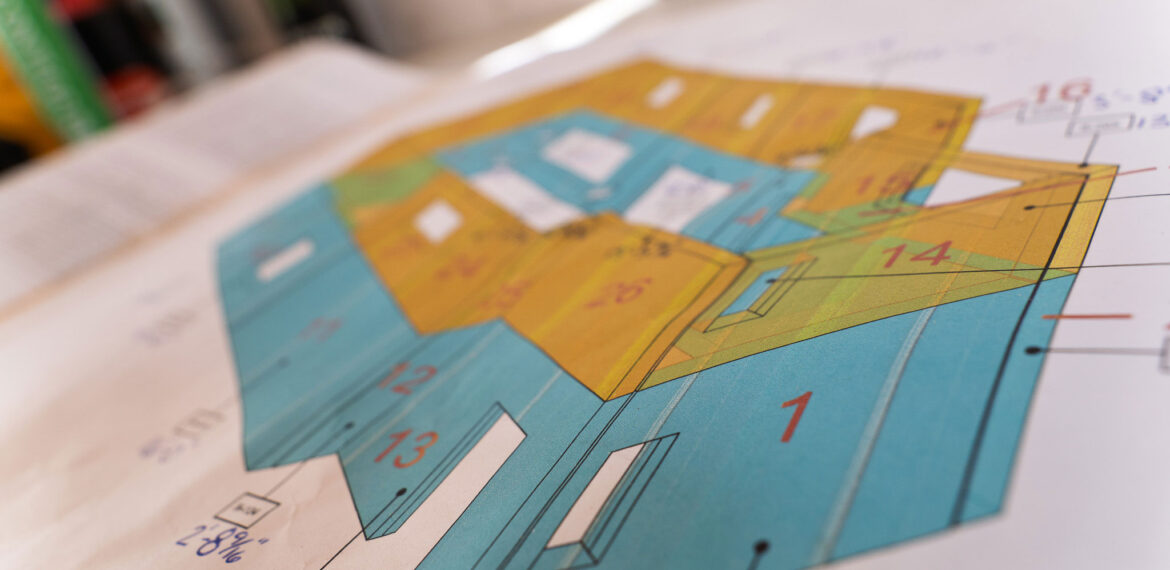
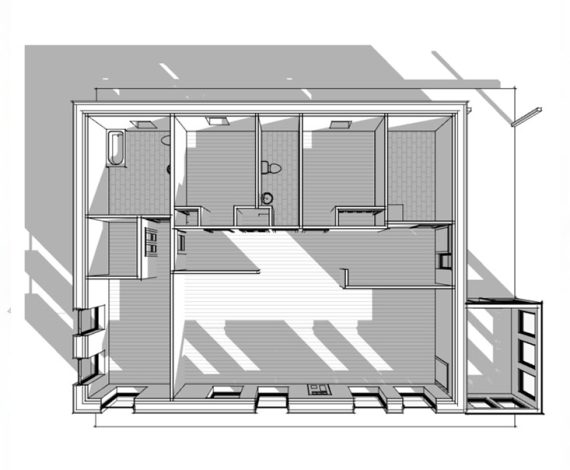
It’s a bit like sketching the building with broad strokes, and then breaking it into “pieces” the shop can fabricate. Yes, you think ahead about certain things, but the panels themselves don’t restrict the design. They support it.

 In a way, it feels like using Legos, but you get to decide what the Legos look like.

“Good prefab isn’t about designing around panels. It’s about designing well, and letting the panels follow.”

The mechanical room: a small choice that changes everything

Something I didn’t realize before working in Passive House is how important the placement of the mechanical room is. It affects almost every system in the building.

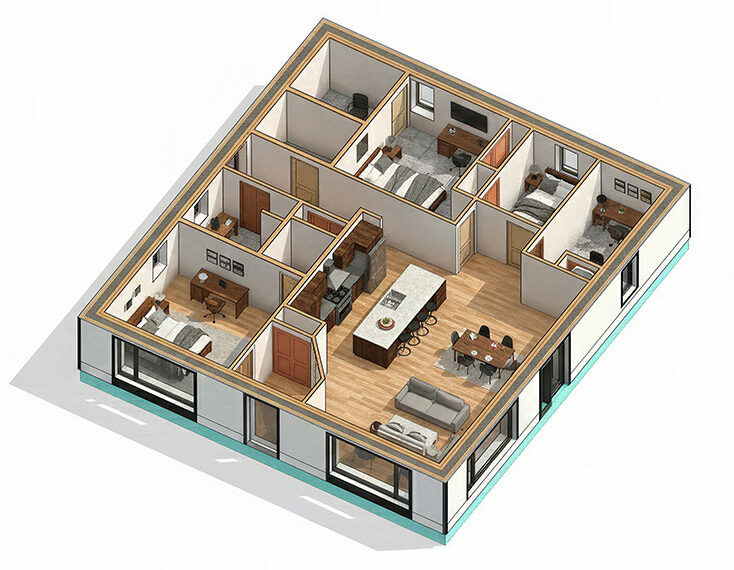
Keeping the mechanical room central, with good access to the exterior, makes the entire design more efficient. It simplifies ventilation, heating runs, plumbing, and electrical. And it reduces the number of penetrations through the envelope—something we really want to avoid in a high-performance building.

Clustering kitchens, bathrooms, and laundry areas also helps keep everything clean and buildable.

These decisions seem small, but they make a huge difference once the building is actually functioning.

Airtightness is built in—so the design can breathe

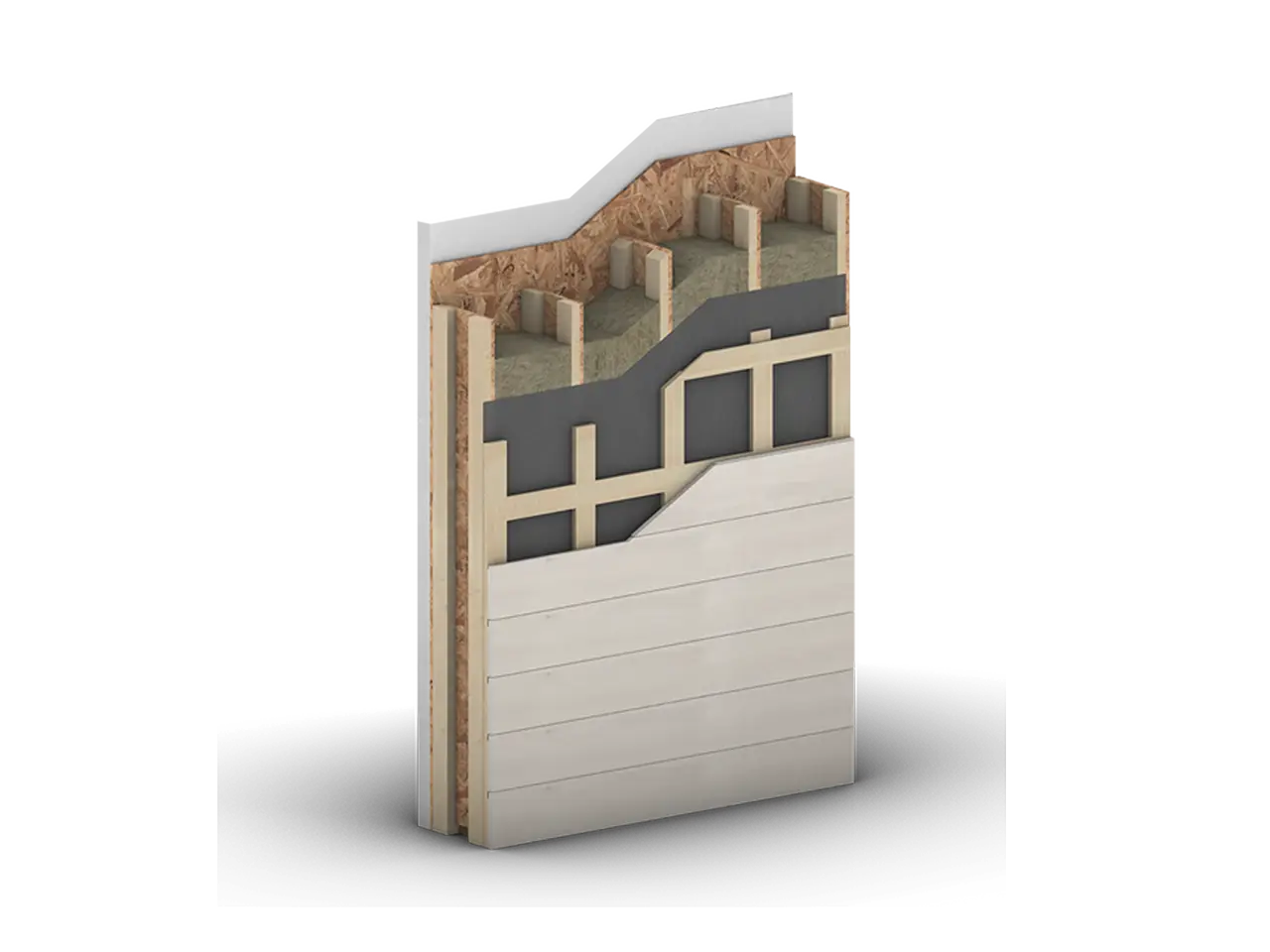
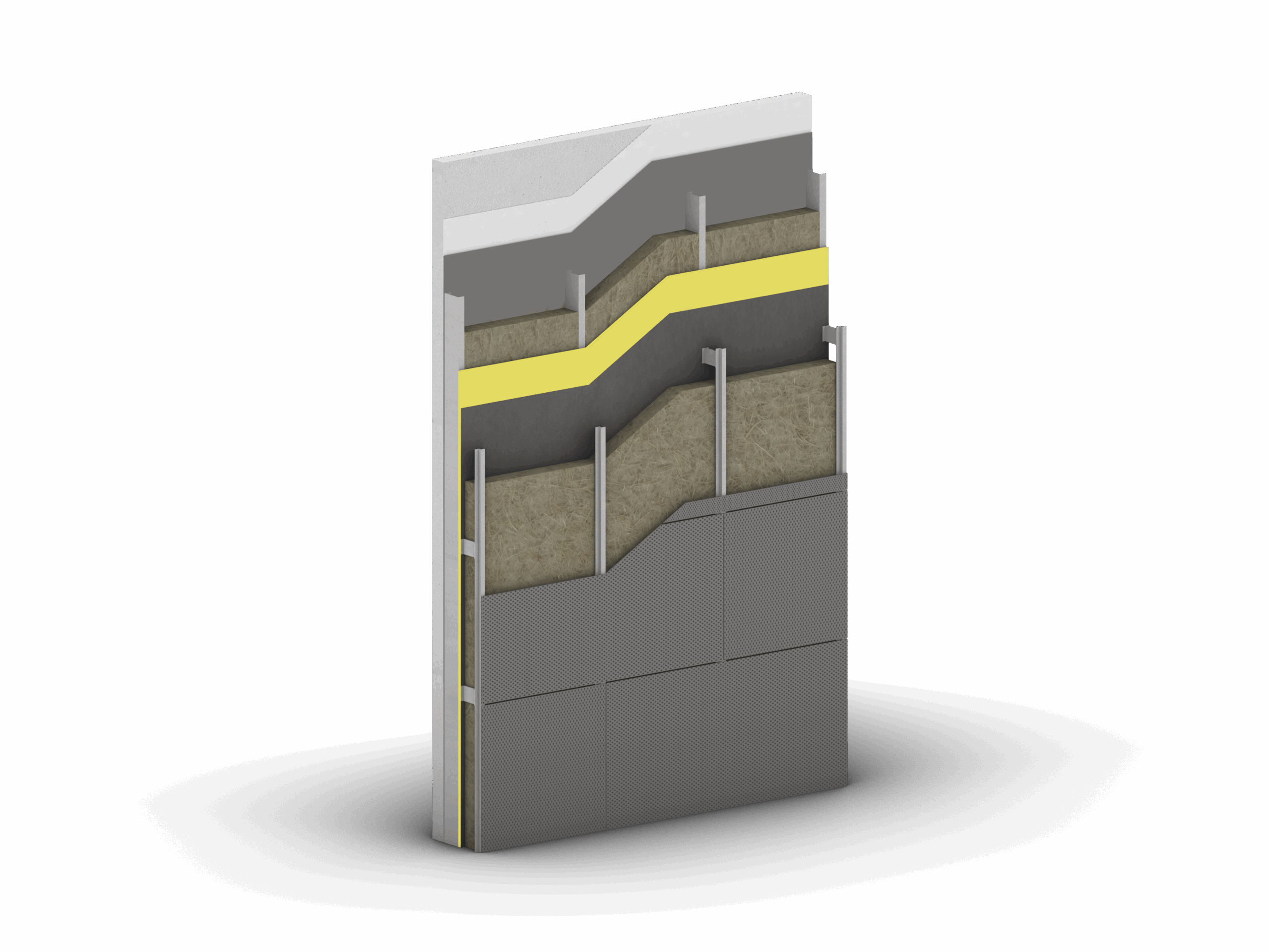
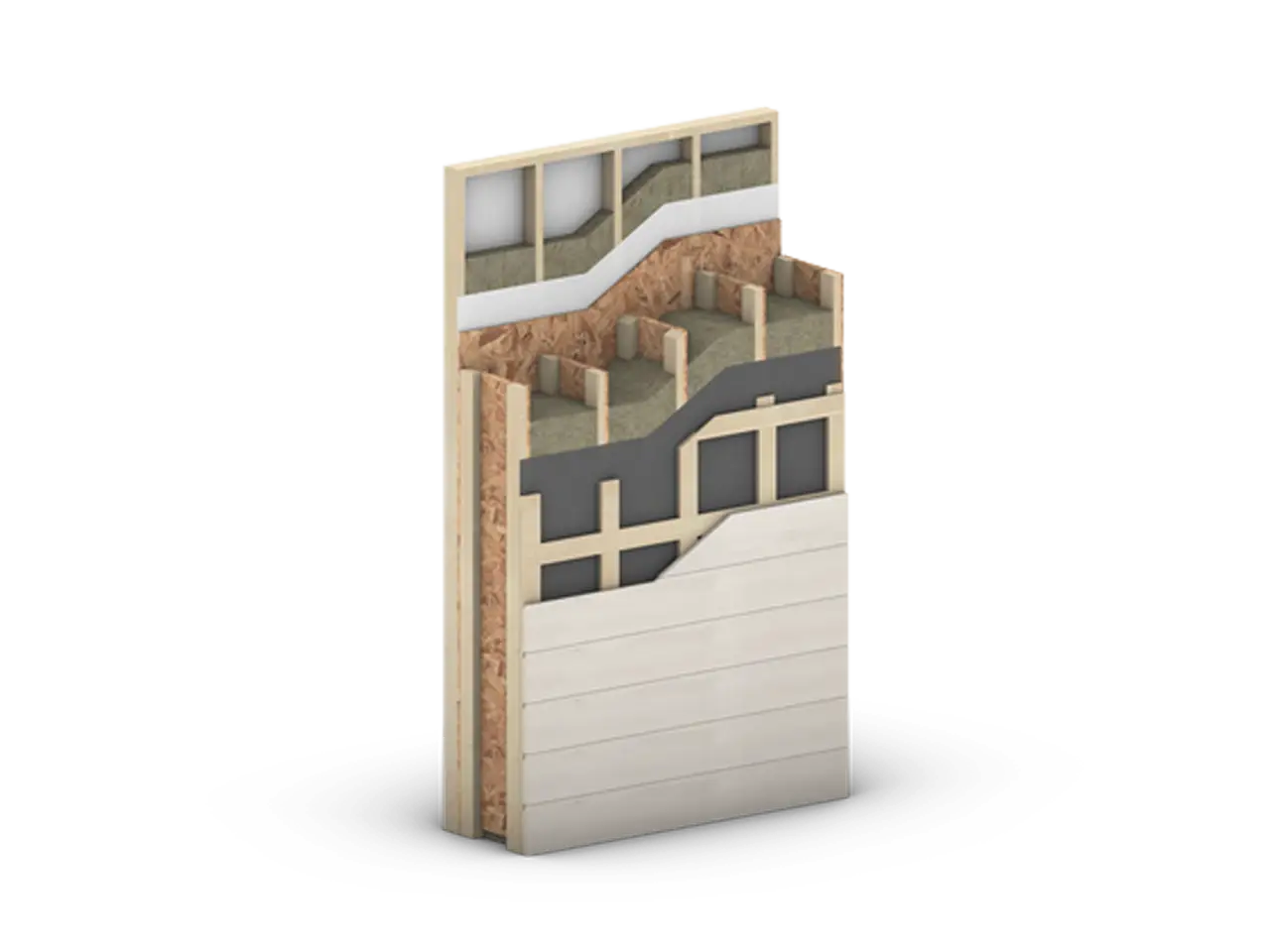
This is one of the biggest differences between prefab Passive House and site-built construction: the airtight layer is already built into the product. It’s not something we have to reinvent on every project.

So instead of worrying about membranes and tapes, I can focus on the things that truly shape the experience, like:

Window placement
Interior zoning
Ventilation strategy
Façade composition
Shading and openings
Tricky junctions

The panel system takes care of the fundamentals. The design takes care of how the building actually feels.

Tricky areas make the work interesting

Every building, no matter the system, has areas that need extra thought—balconies, window openings, roof junctions, stairs, inset entries. These are the areas where design, engineering, and the shop all have to be aligned.

In new construction, this is fairly straightforward. In retrofits, it gets more challenging because you’re effectively creating an envelope around an existing envelope. Buildings are rarely straight or predictable, and that’s where creativity really becomes problem-solving.

Retrofits push your creativity in a different direction—one that’s actually fun once you get used to it.

“Retrofit design is like solving a puzzle you’ve never seen before—and no two puzzles are the same.”

Creativity inside constraints

People sometimes hear “constraints” and think it means “less creativity.” For me, it’s the opposite. Constraints help focus your decisions. They help you prioritize what actually matters—comfort, flow, experience, proportions, light, material, and the tiny details that make a building feel alive.

I don’t feel limited by panels. I feel guided. They set the framework, and I get to make everything inside that framework meaningful.

Prarie_Smoke_1
home_2-2

The best part: seeing it built

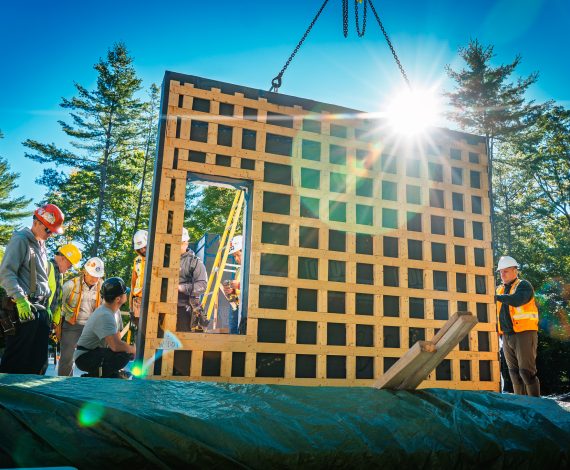
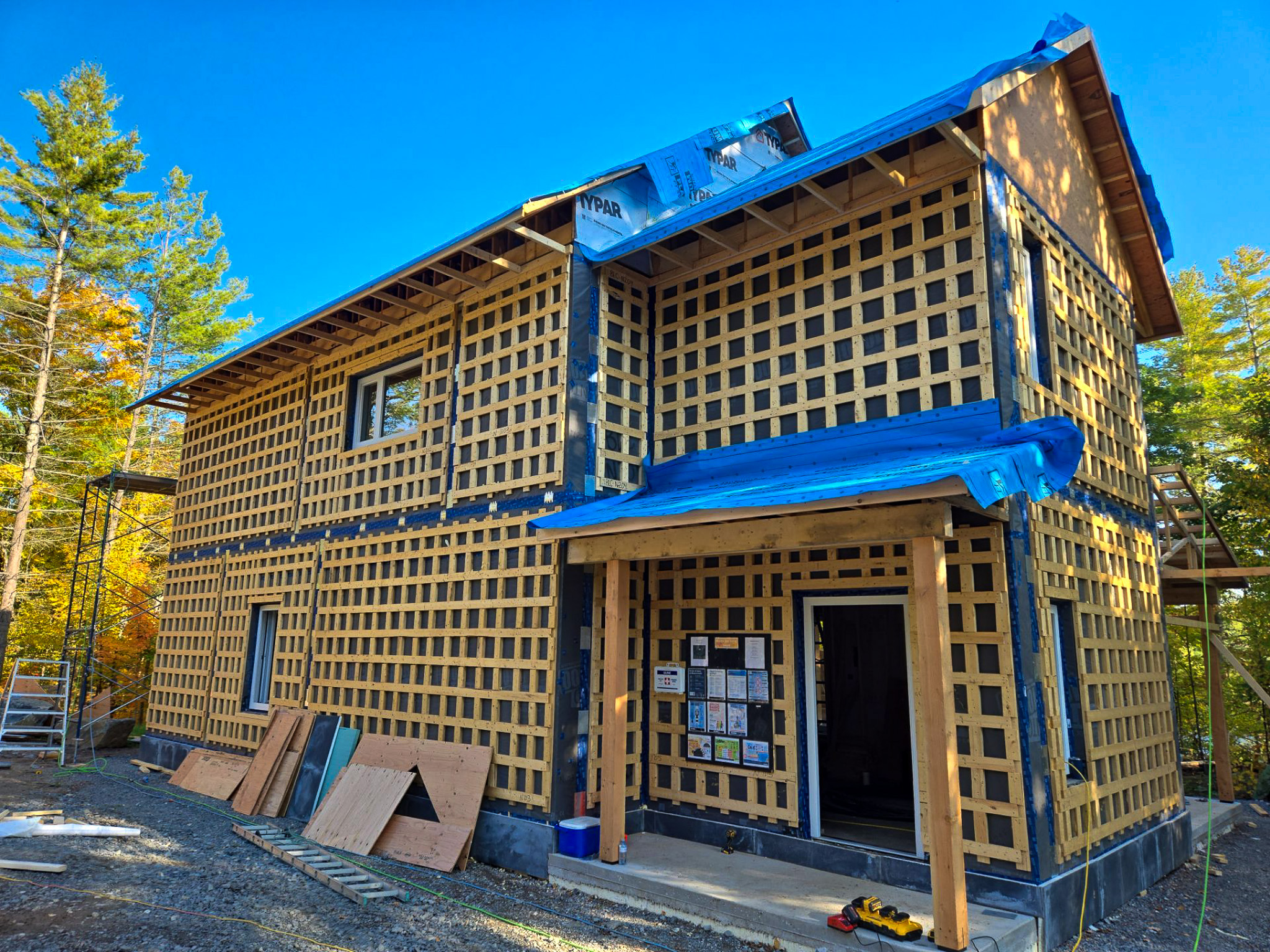
There’s nothing like the moment the panels arrive on site. A building that lived on your screen for months suddenly becomes real—fast. Within a day or two, it’s standing there, full height, full shape, full presence.

You walk inside and see the volumes exactly the way you imagined them. You remember every decision that brought the building to life. And you realize that the work you did—every detail and coordination meeting—actually mattered.

That feeling never gets old.

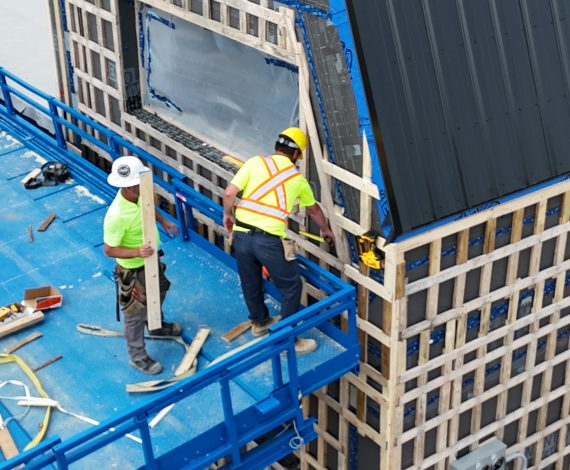
Prefabricated Passive House panel installation showing structural insulated wall system construction

For architects curious about prefab or Passive House

Here’s what I’d tell you:

Start with the site.
Keep the form simple.
Talk to everyone early.
And don’t panic about creativity—you won’t lose it.

Panelized Passive House doesn’t shrink your design ability. It sharpens it. It helps you build buildings that not only look good, but also perform beautifully.

And at the end of the day, that’s what architecture is supposed to do.